Chapter II · The Mass Ladder
A top quark weighs as much as a whole atom of gold. A neutrino weighs almost nothing at all. They are both fundamental.
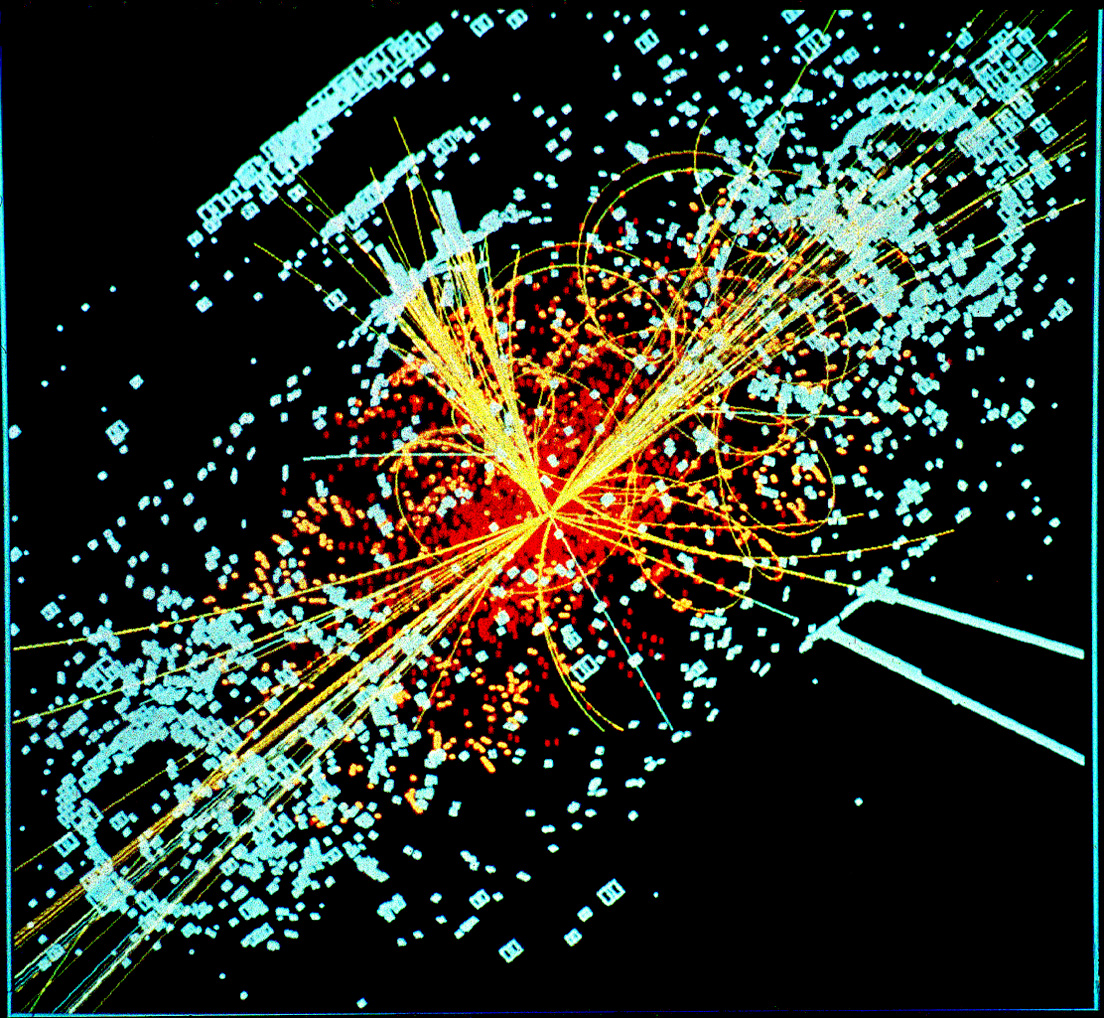
Every one of the seventeen particles has a mass — a number for how much it weighs, how hard it is to push. You'd expect those numbers to cluster. They don't.
From the lightest (a neutrino, almost weightless) to the heaviest (the top quark, as heavy as a gold atom), mass spans thirteen orders of magnitude — a factor of ten trillion. Nothing else in the particle world is this lopsided.
So where does a particle's mass come from? For the seventeen, the answer is one field: the Higgs. The more strongly a particle couples to it, the heavier it is.
Here's the twist. Almost none of your weight works that way. You are mostly protons, and a proton weighs about a hundred times more than the quarks inside it. The missing 99% isn't Higgs mass — it's pure energy, the violent binding of the gluons holding those quarks together. E = mc², made flesh.
Three rungs to anchor you
The featherweight. At least half a million times lighter than the electron — so light we still only know an upper bound.
The yardstick. Every mass on the next ruler is quoted as a multiple of this one familiar number.
The monster. About 340,000 electrons in a single point — the heaviest thing we've ever found.
Now stretch all seventeen out on one scale and the gulf between them becomes the whole story.
Here are all seventeen on one ruler. Tap any rung to read its mass — and how many electrons it's worth. Then hit Linear and watch an honest, evenly-spaced ruler crush everything but a handful of giants into the left edge.
§ On the linear scale only the top quark, the Higgs, and the W and Z bosons stay visible — everything that makes up you is mashed into the leftmost sliver. That collapse is exactly why physicists never plot mass on a straight line.
So how does a field “give” a particle mass?
Picture the Higgs field as an invisible medium filling all of space. A particle that ignores it — like the photon — sails through and stays massless, moving at light speed forever. A particle that drags against it feels resistance, and that resistance is mass: harder to get moving, harder to stop.
The top quark drags hardest, so it's the heaviest. The electron barely drags. The neutrino almost doesn't drag at all. Same field, wildly different grip — and the grip strength is just a number we measure, not one we can predict.
Which is the embarrassing part: we have no idea why those grip strengths span ten trillion to one. The Standard Model takes every mass as an input, not an output.
For the advanced reader → the hierarchy problem
Each fermion mass is a free Yukawa coupling to the Higgs; the Standard Model fixes none of them. Worse, quantum corrections to the Higgs's own mass scale with the highest energy in the theory, so keeping it at a modest 125 GeV seems to demand a cancellation fine-tuned to ~30 decimal places. That unexplained delicacy — the hierarchy problem — is a prime reason physicists expect new physics beyond what we've found.
A century chasing the origin of mass
Mass looks like the simplest property a particle could have. It turned out to be one of the hardest things in all of physics to explain. Here's the road.
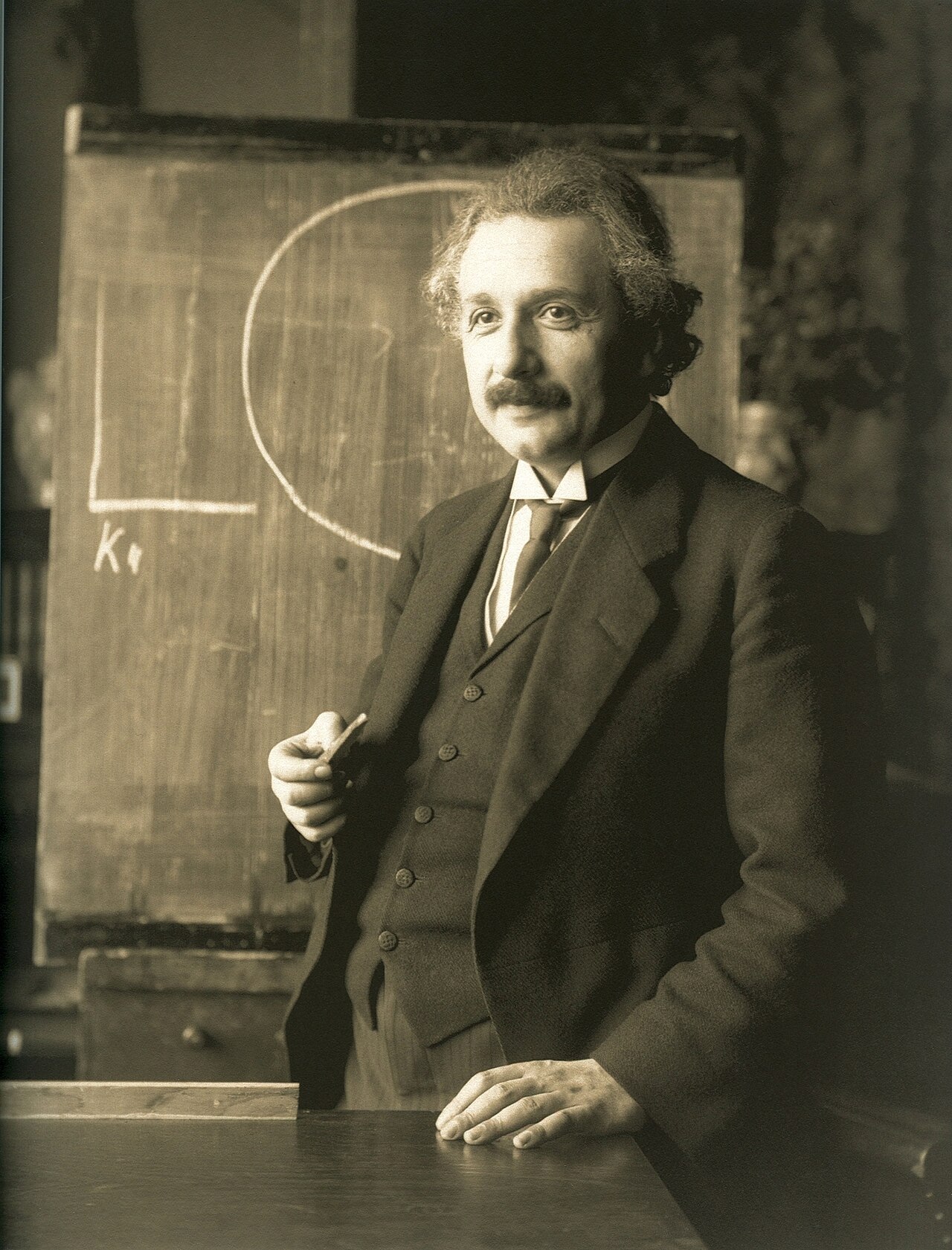
If a body gives off the energy L in the form of radiation, its mass diminishes by L/c². Albert Einstein, 1905
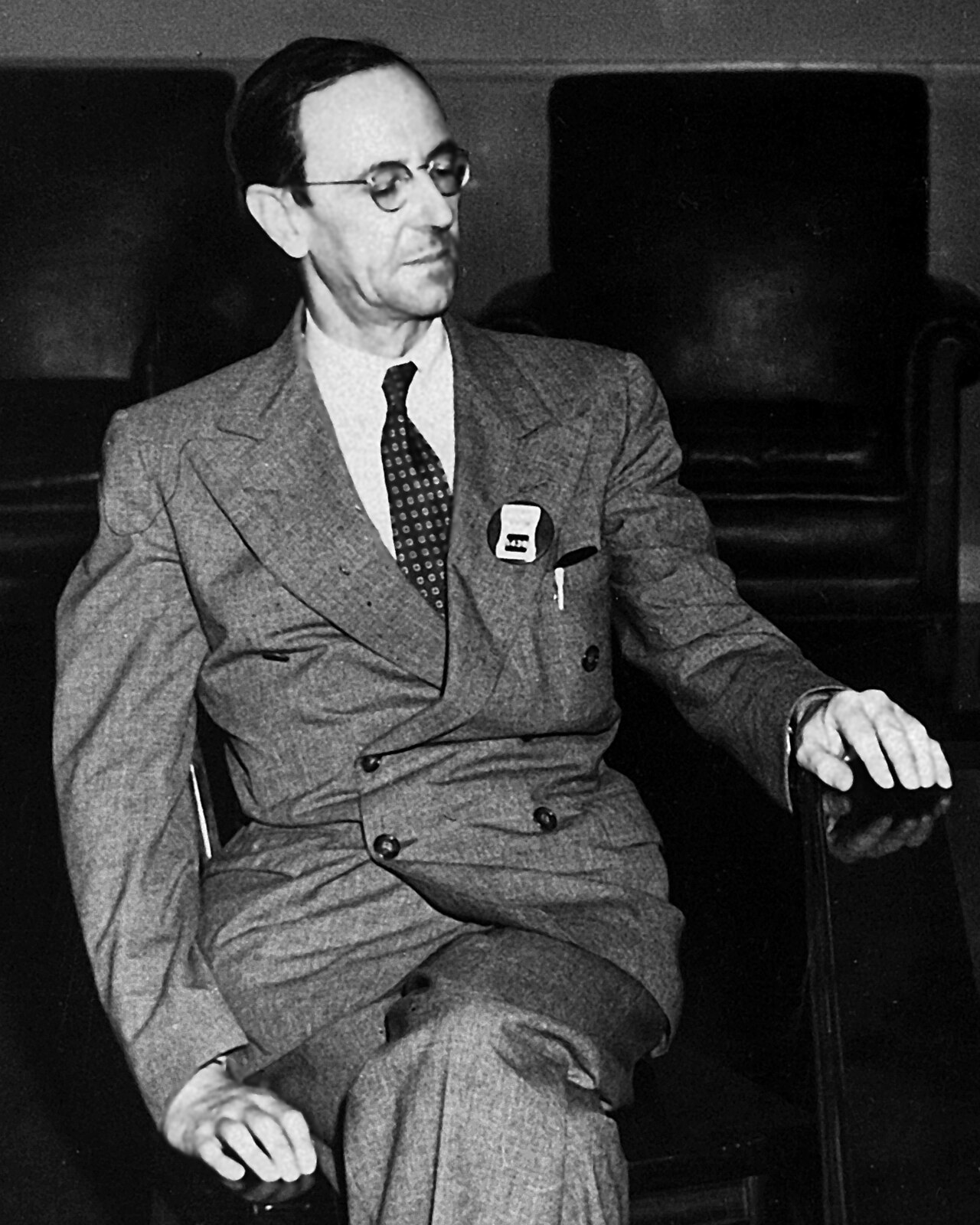
Hideki Yukawa explains what binds a nucleus: a force carried by a new, massive particle. For the first time, a particle's mass is tied directly to the reach of a force.
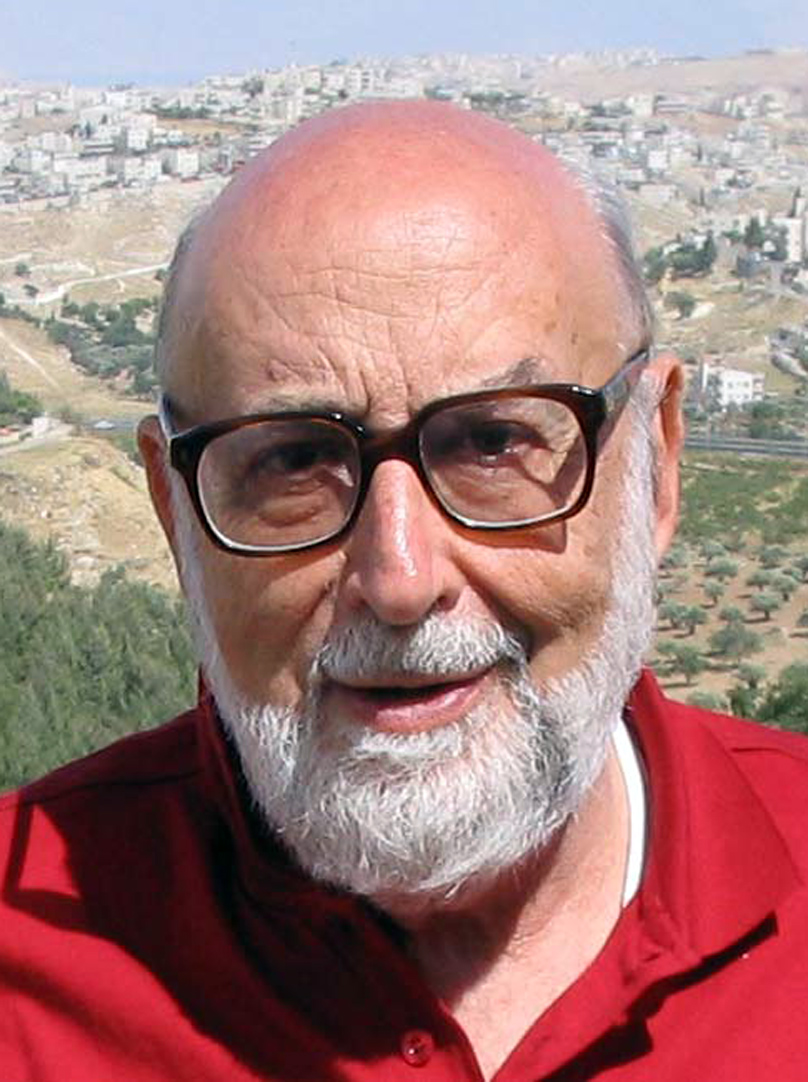
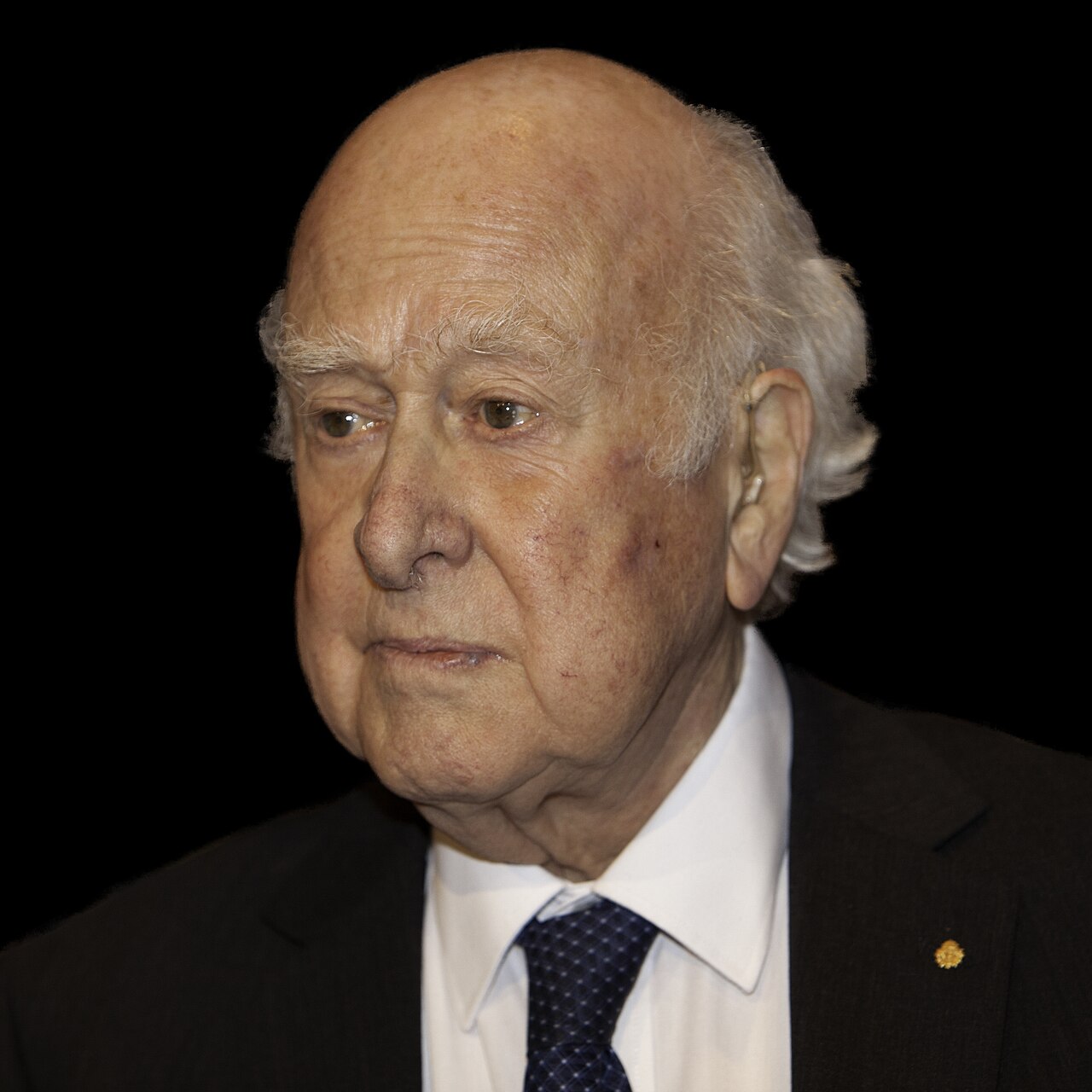
Gerard 't Hooft and Martinus Veltman prove the whole scheme is mathematically consistent. The mechanism stops being a guess and becomes the backbone of the Standard Model.
Quantum chromodynamics arrives: the strong force is carried by gluons that pull on each other. Their trapped energy will turn out to be ~99% of a proton's mass.
After an eighteen-year hunt, Fermilab corners the top quark — 173 GeV, as heavy as a gold atom. It couples to the Higgs more fiercely than anything else known.
We can now measure every mass to exquisite precision — and explain almost none of them. Why ten trillion to one? Nobody knows. It is one of the deepest open questions in physics.
Look at yourself in a mirror. Almost everything you see weighs what it weighs not because of the Higgs, but because of energy — gluons straining inside every proton in your body, frozen into matter by E = mc².
The Higgs sets the masses of the seventeen. Pure energy sets the mass of you. Two completely different stories, and you are made of both at once.
Thirteen orders of magnitude, and we can explain barely any of it. Sit with that.
We keep saying a proton is “made of” quarks — but a proton is not a bag of three marbles. It's a roaring storm of quarks and gluons held in perfect balance. Let's build one.