Chapter I · The Particle Table
Hold out your hand. Everything in it — skin, bone, the air just above it — is built from only three particles.
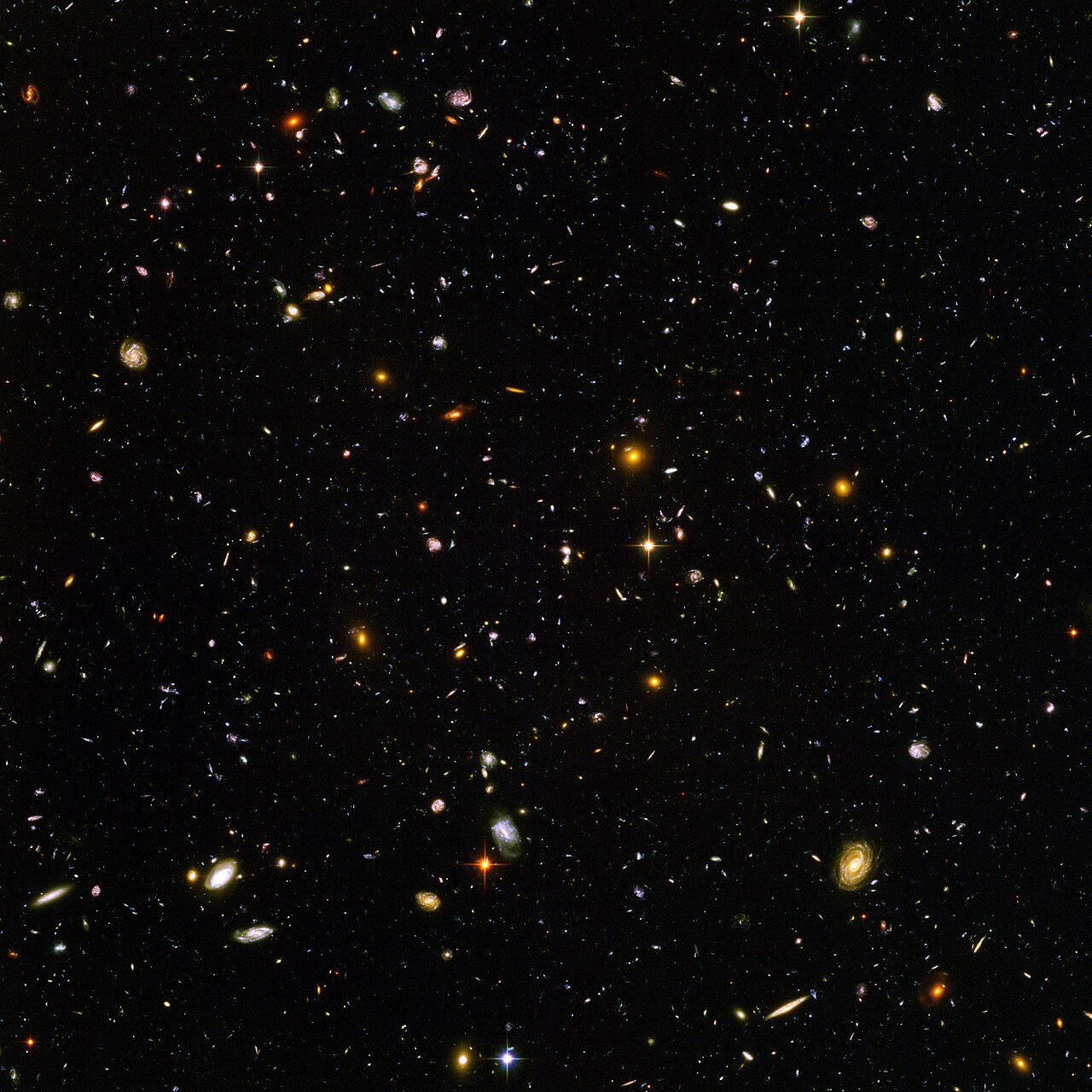
You are roughly seven octillion atoms — a 7 followed by 27 zeros.
Each atom is a haze of electrons around a tiny core. The core is protons and neutrons. And those, finally, are made of quarks.
That's the bottom. There is nothing underneath. A quark and an electron are not made of anything smaller — they are where the cutting stops.
Meet the everyday three
Two ups and one down make a proton.
Swap one up for a down, and you've got a neutron.
Wrap electrons around that core and you have an atom — every atom in your body.
The other fourteen are the rest of the story. Here they all are.
Here is everything — and you already know three of them. Tap any particle to open its story. Then hit colour by and watch the same seventeen pieces rearrange themselves by mass, charge, or spin.
Why three columns of almost-the-same-thing?
The grid is laid out like the periodic table on purpose. Each of the first three columns is a generation — a near-identical copy of matter. The muon is just a fat electron: same charge, same behaviour, 207 times the mass. The tau is fatter still.
The heavier copies are unstable. They flash into existence in cosmic rays and colliders, then decay back down to the light, everyday first generation within a fraction of a second. That's why the world around you is built almost entirely from the top-left corner.
Here's the strange part: we have no idea why there are exactly three. Not two, not four. Three. Nobody knows. It is one of the great open questions in physics.
For the advanced reader → the flavour puzzle
The generations differ only in their Yukawa couplings to the Higgs field — the same gauge structure repeated three times. Why that coupling hierarchy spans five orders of magnitude (the “flavour puzzle”) is unexplained by the Standard Model.
A hundred and fifteen years
It took the smartest people alive more than a century to find these seventeen. Here's how it happened.
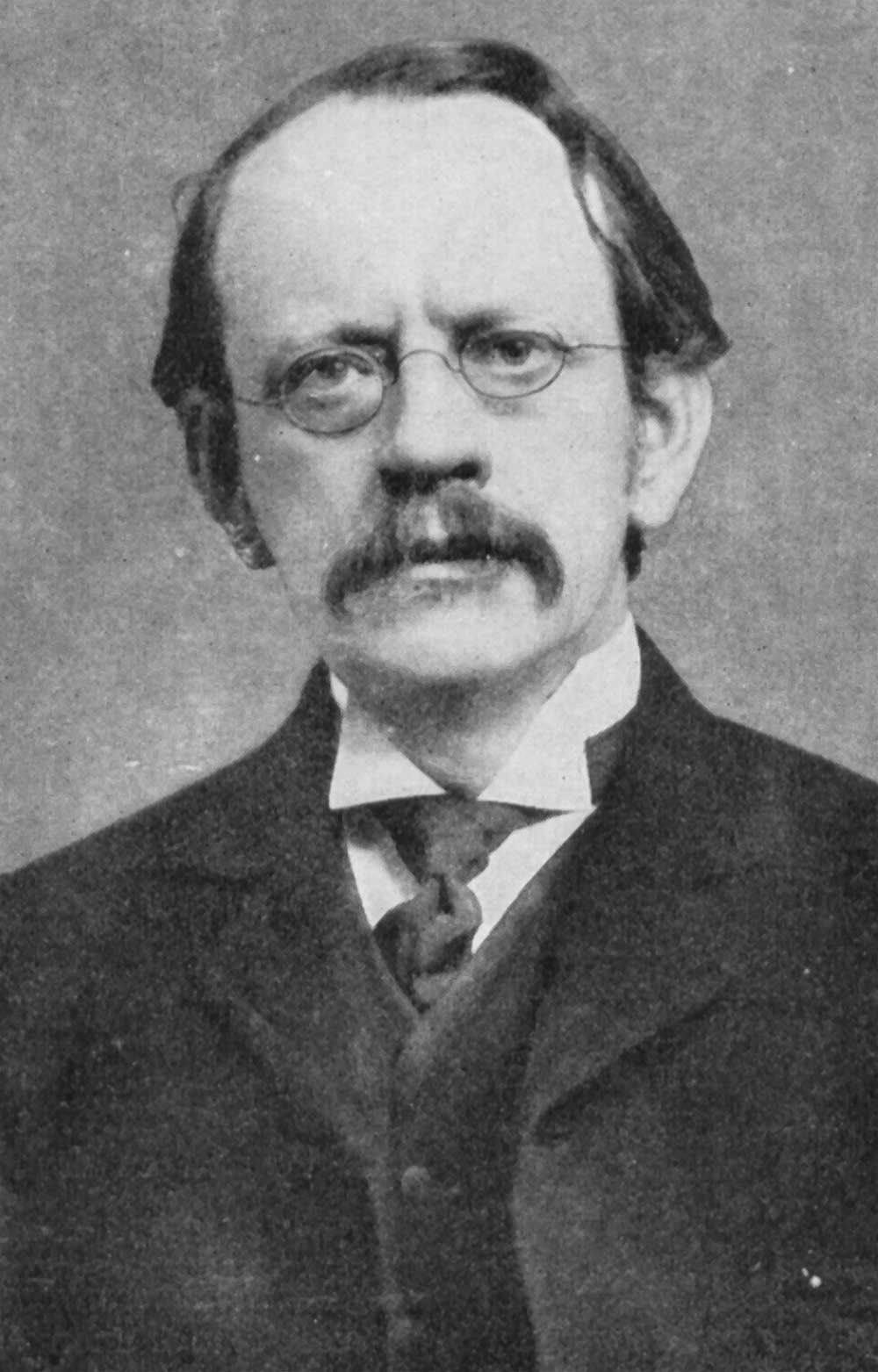
Rutherford fires particles at gold foil — and a few bounce straight back. The atom is mostly empty space around a tiny, hard core.
It was almost as incredible as if you fired a 15-inch shell at a piece of tissue paper and it came back and hit you. Ernest Rutherford
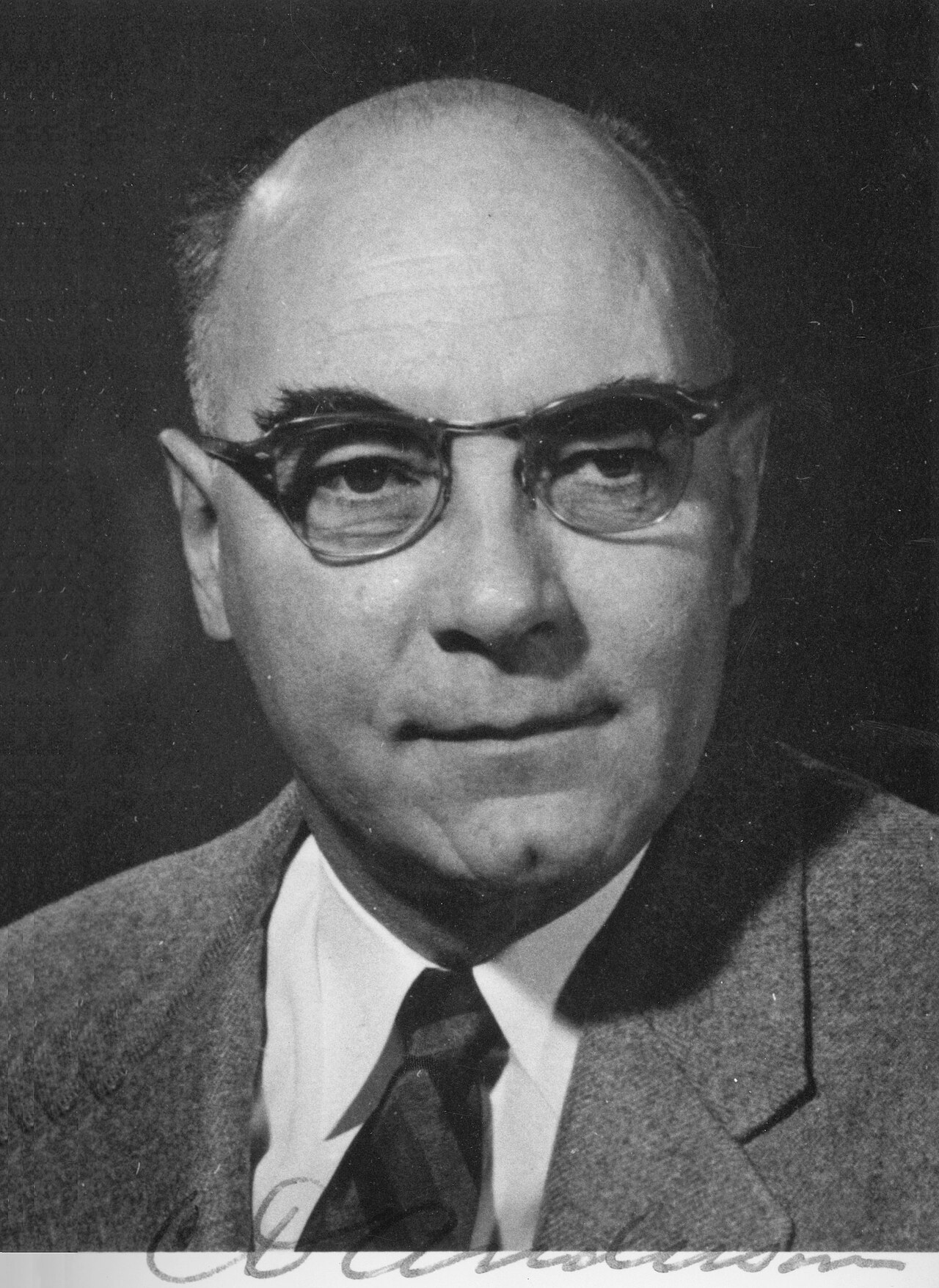
Carl Anderson photographs antimatter — a positron curving the wrong way — exactly as Dirac's equation had demanded four years earlier.
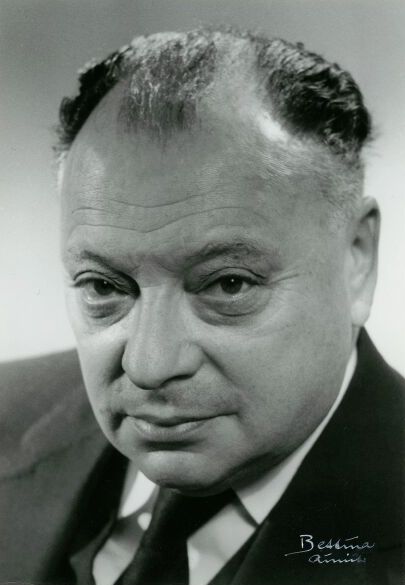
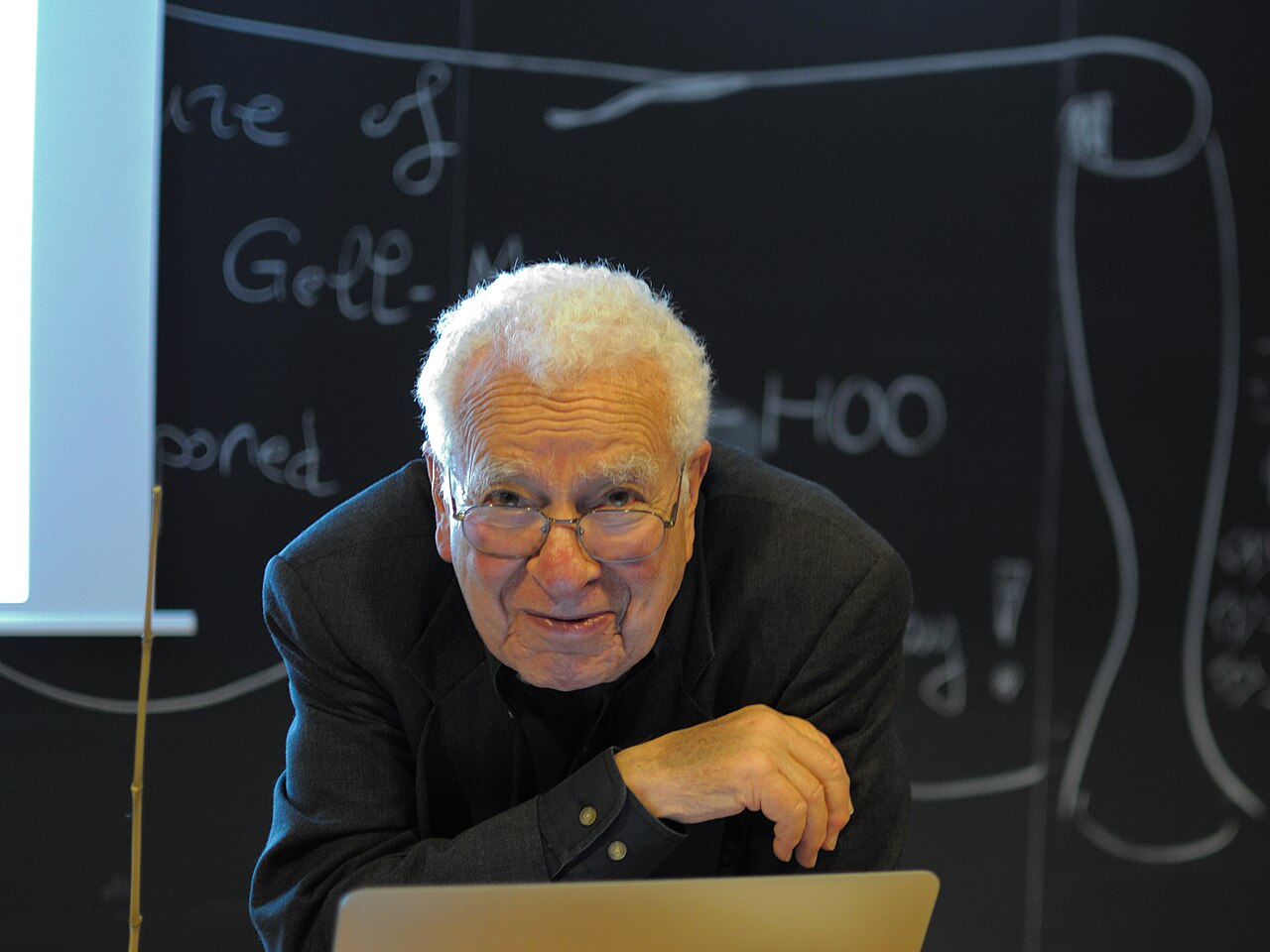
Three quarks for Muster Mark! James Joyce, Finnegans Wake (1939)
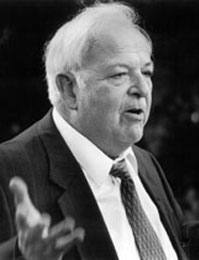
The W and Z bosons — carriers of the weak force, predicted on paper — are built into existence at CERN.
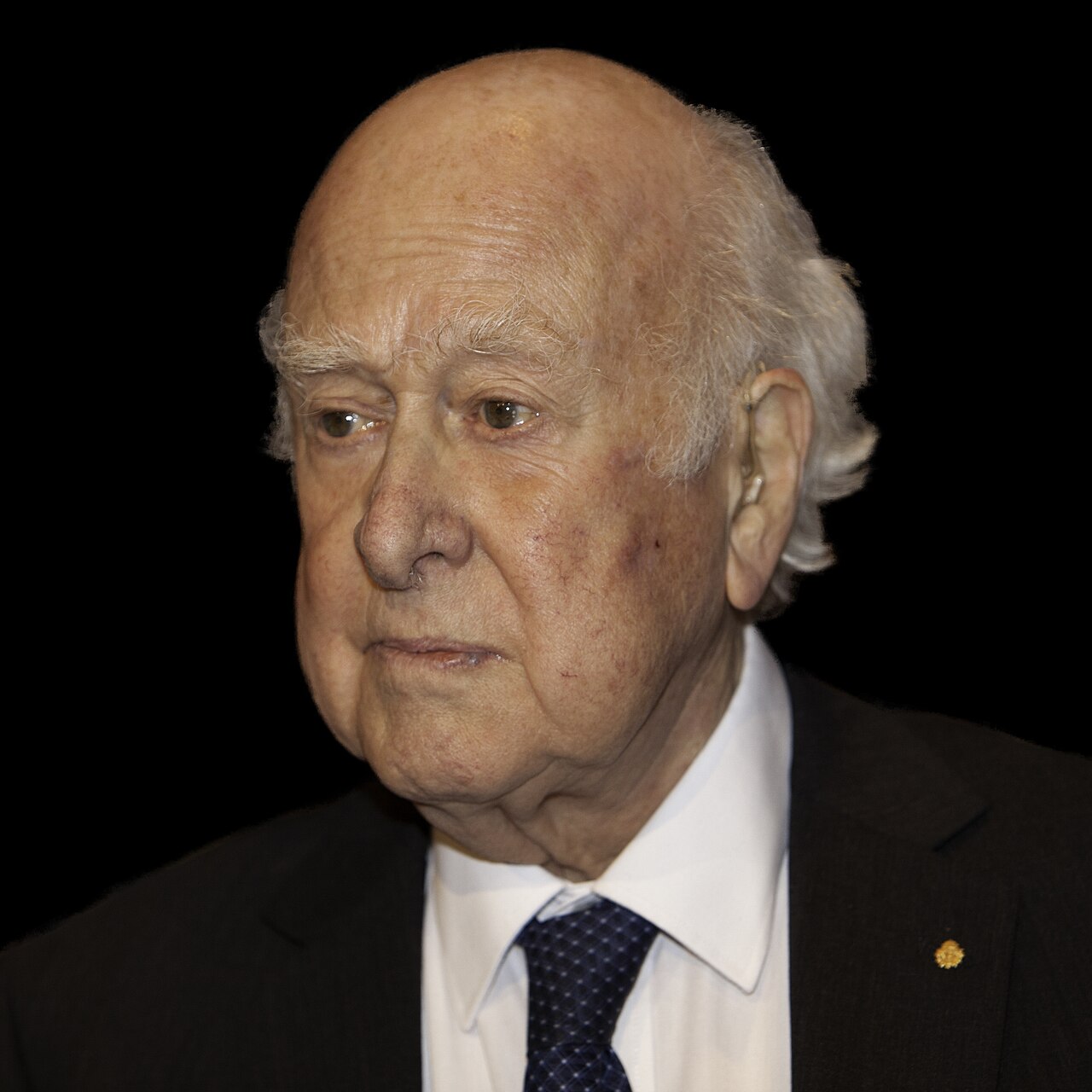
The top quark, chased for eighteen years, finally surfaces at Fermilab. One of them weighs as much as a whole atom of tungsten.
Go back to that photograph of galaxies. Every star in every one of them. Every planet, every ocean, every person who has ever lived.
All of it — assembled from the seventeen pieces you just held in your hand. That's not a metaphor; it's the inventory of reality. You are a temporary arrangement of the oldest things in existence, and for a little while, that arrangement is reading about itself.
Seventeen pieces. Think about it.
But these seventeen are not equal — some are featherweights, one weighs as much as a whole atom. Why? That's where we go next.